

Trump’s Cuba Gambit: National Emergency, Russia Now Labeled “Hostile,” and a New Front in Global Power Politics
Washington is escalating pressure on Havana, but the real message is aimed far beyond the Caribbean

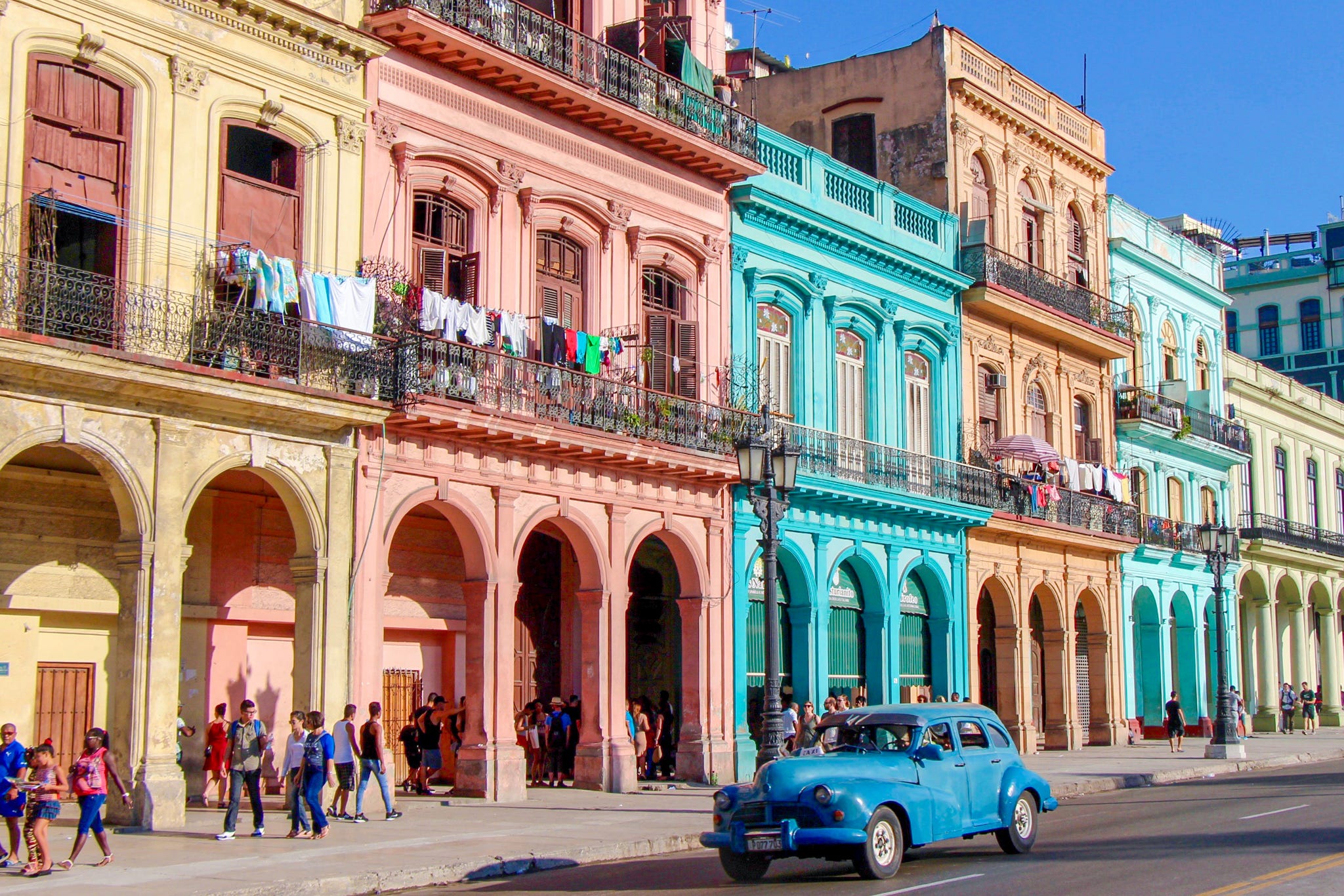
On January 29, President Donald Trump signed an executive order that could reshape the geopolitical map of the Western Hemisphere. Officially, it declares a national emergency over Cuba. In practice, it opens a new front in America’s confrontation with Russia, China, and Iran - and signals that Washington is prepared to escalate far beyond sanctions (which, at this point, should not surprise any observer).
Surprisingly, a U.S. presidential order openly labels Russia a “hostile country” and a “dangerous adversary” - not in the context of Ukraine or Europe, but Cuba.

A National Emergency - on Paper and in Practice
The executive order states that Cuba poses an “unusual and extraordinary threat” to U.S. national security and foreign policy. This language isn’t symbolic. It grants sweeping emergency powers, allowing the White House to bypass Congress and rapidly escalate economic pressure.
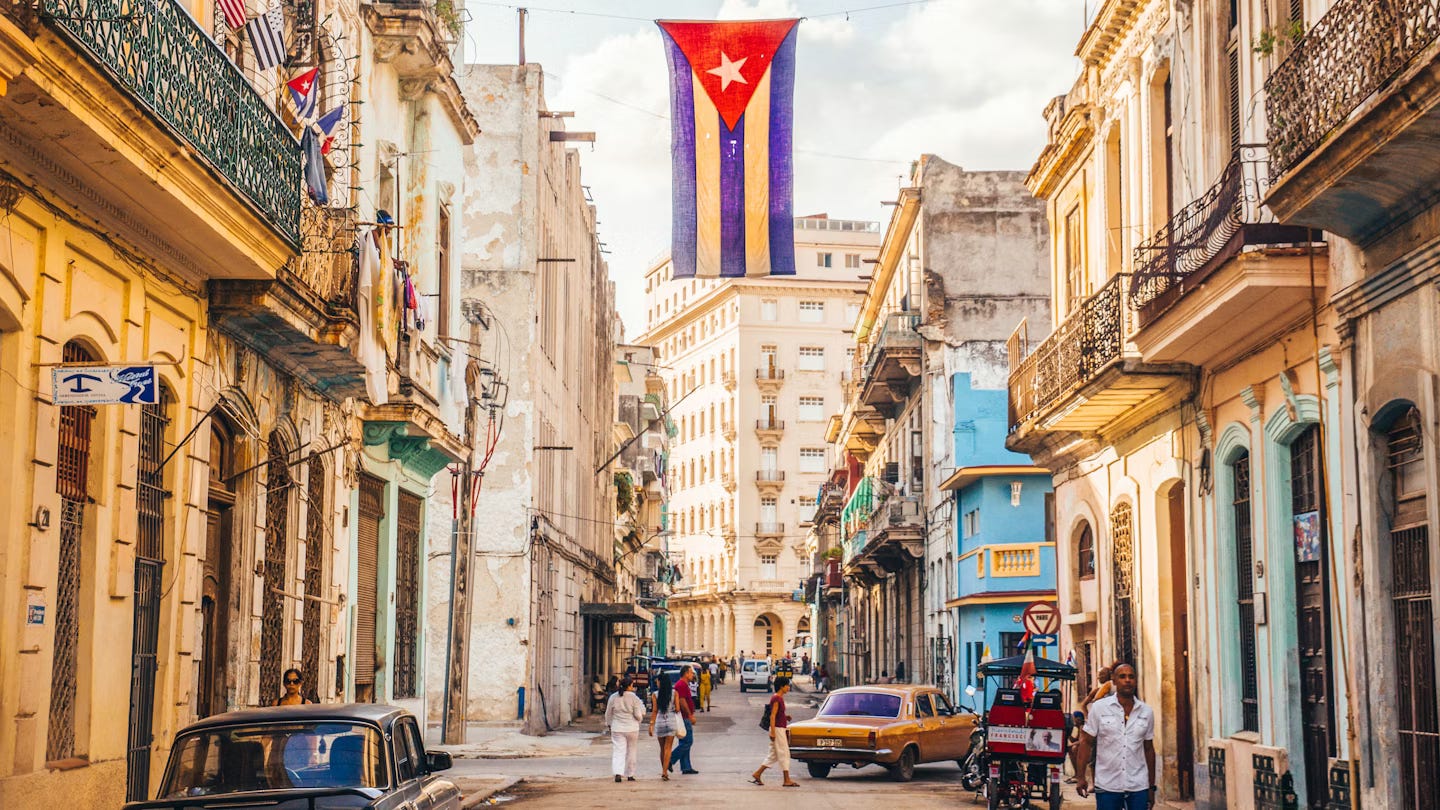
The document accuses Havana of cooperating with “hostile countries, transnational terrorist organizations, and malicious actors,” explicitly naming Russia, China, Iran, Hamas, and Hezbollah. This appears to be an official threat assessment.
Russia and China: The Real Targets
The order goes further, devoting specific sections to Moscow and Beijing. According to the White House, Cuba:
Hosts Russia’s largest overseas signals intelligence facility
Allows deployment of advanced Russian military and intelligence assets
Expands intelligence and defense cooperation with China
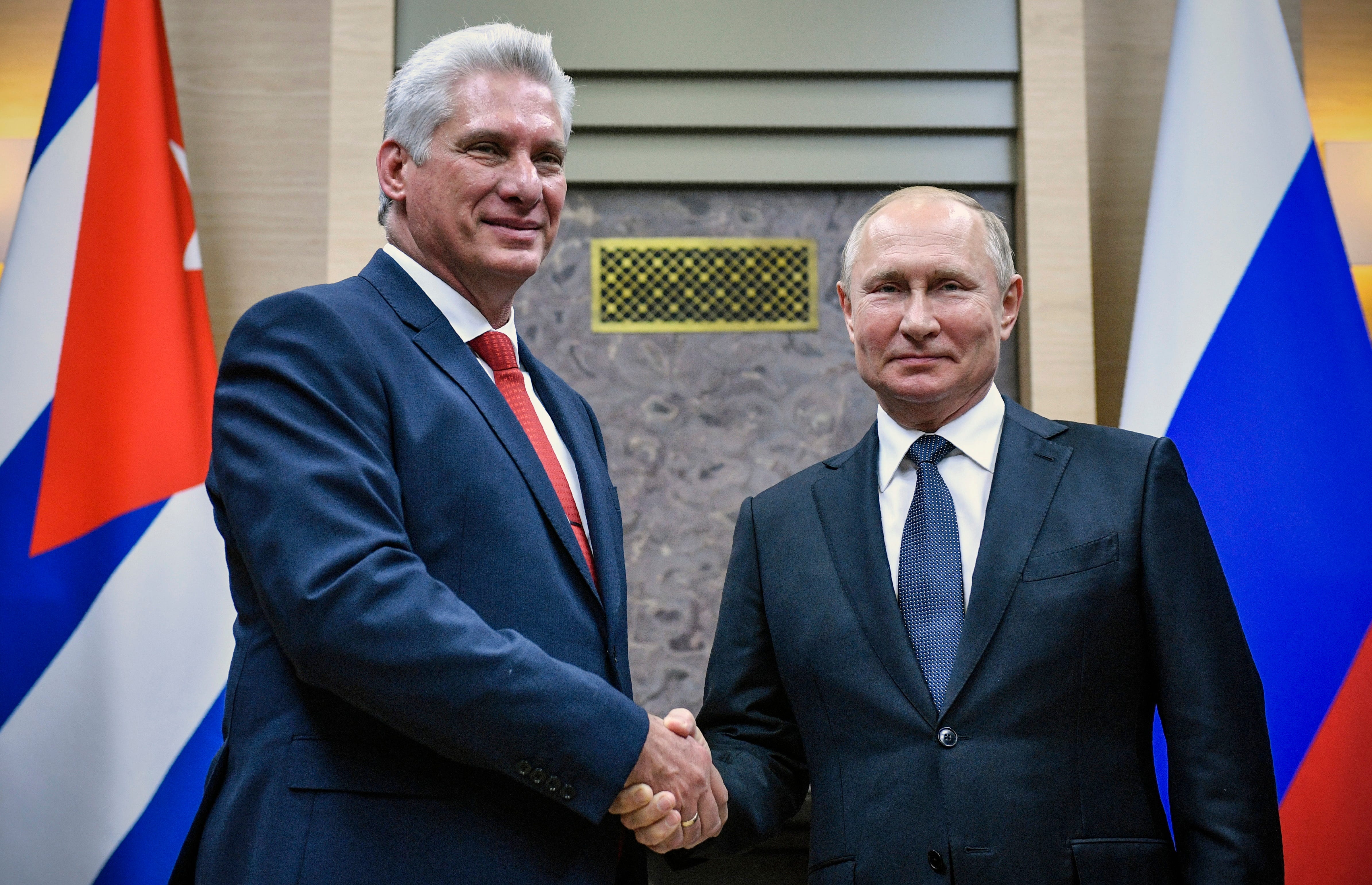
It goes without saying that this framing places Cuba back where it stood during the Cold War: not merely a sanctioned state, but an operating base for America’s strategic rivals.
Oil as a Weapon: The Economic Squeeze Tightens
It appears that the most immediate impact is economic. Trump imposed new ad valorem tariffs on imports from any country that directly or indirectly supplies oil to Cuba. This is a familiar approach that seeks to destroy a country’s economy and cause internal instability, a tactic that can be further exploited by foreign actors to attempt a regime-change operation. This is Washington’s default playbook - Syria, Venezuela, Iran, Libya…It never ends well for the people of the countries, yet it does not stop the policy from being a bipartisan “favorite”. Western economic sanctions are responsible for 38 million deaths worldwide, as discussed in great detail in this eye-opening article.
It is common knowledge that Cuba’s economy runs on imported fuel. By targeting oil suppliers - rather than Cuba alone - Washington is extending secondary sanctions in all but name. The message is clear: do business with Havana, and you will pay. This is part of a broader hybrid warfare that uses economic coercion and civilian suffering as weapons against unaligned regimes.
From Economic Pressure to Naval Blockade?
The order stops short of announcing a naval blockade. But the trajectory is obvious.
With Venezuela’s oil exports disrupted and U.S. resources still partially tied down by Iran, Washington appears to be sequencing its pressure campaigns. Once Venezuela is fully neutralized, Cuba becomes the next logical target. Marco Rubio already announced that the U.S. “would love” to see regime change in Cuba.
It would not be unreasonable to assume that a maritime blockade would be the final step - and one that would sharply limit Russia’s and China’s ability to provide material support.
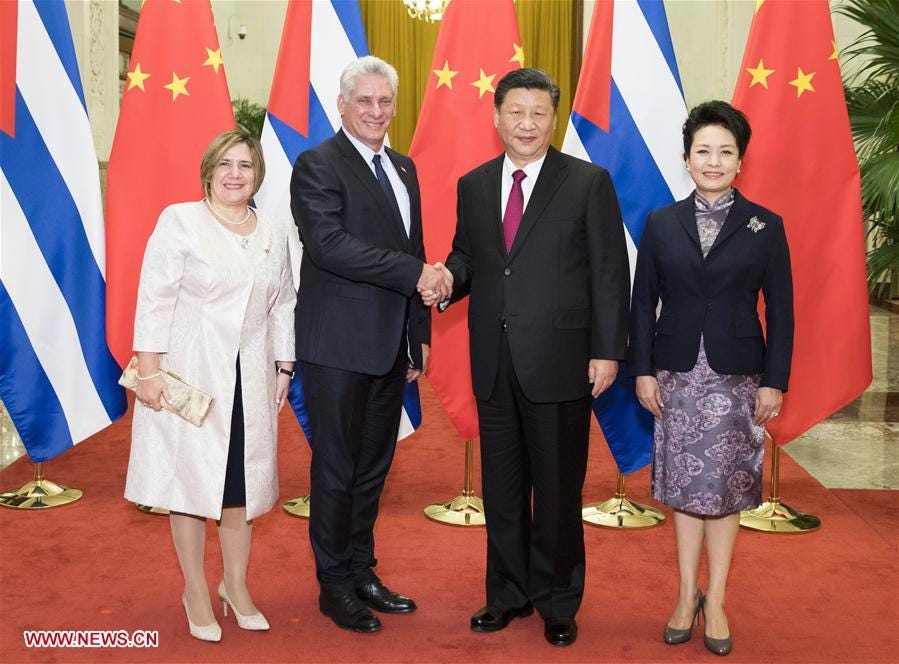
Negotiations with Russia? Apparently Not a Priority
Perhaps the most striking element is what the White House isn’t worried about: the diplomatic fallout. But, truth be told, it has not been a concern for a number of months, so it’s unlikely to be a priority now that a total lack of accountability has become the modus operandi.
At a moment when U.S.–Russia communication channels are already strained, the administration has chosen to formally designate Russia as a hostile power in a presidential order - and to oppose its intelligence presence in Cuba by name.
This is not accidental. It reflects a broader strategy aimed at systematically stripping Moscow of partners and strategic footholds. Venezuela has already fallen out of Russia’s effective orbit. Iran and Cuba are now squarely in Washington’s sights.
The Clock Is Ticking on Havana
According to the logic embedded in the order, time is not on Cuba’s side. The Trump administration appears intent on forcing a political resolution - including a change of power - by the end of 2026. That leaves a narrow window before the midterms. With President Trump’s deteriorating approval rating, timing is essential. According to The Economist, Trump's net approval rating is as follows: 38% approve, 56% disapprove, 5% not sure.
Either Russia and China act decisively to prevent Cuba’s isolation, or a full blockade could make meaningful support physically impossible. A re-run of the “special operation” in Venezuela might be on the table.
The Bigger Picture
This isn’t just about Cuba. It’s about how the United States is redefining power projection in a multipolar world. The Trump administration baldly announced that the Western Hemisphere is “ours”; it belongs to the United States, with middle powers and emerging countries being expected to subordinate. Thus, open threats toward Cuba are to be expected.
Instead of large troop deployments, Washington is leaning into energy choke points, secondary sanctions, and legal emergency powers. It’s a strategy designed to fracture alliances, force economic collapse via coercion, and compel political outcomes without firing a shot.
Whether it succeeds - or backfires - will shape the global balance well beyond the Caribbean.
If you value thoughtful independent analysis that goes beyond the headlines, joining the community as a paid subscriber is the best way to support this work. Your subscription helps me publish more regularly and expand the scope of my work. As a paid member, you’ll get exclusive essays, early access to posts, and direct opportunities to engage with ideas that challenge conventional thinking via the subscribers-only chat — all while helping sustain independent journalism that matters.
Excellent article, Lena.
The United States is an evil, hegemonic, plutocratic oligarchy. All that matters to those who control the US is power and wealth. A democratic Republic is long gone.
The thing any sane people need to pay attention to, is will the U.S. turn Cuba into another Haiti? They're already on the verge of collapse. Do we really need another humanitarian crisis in our backyard?